

 See My Latest Article on HelloNation
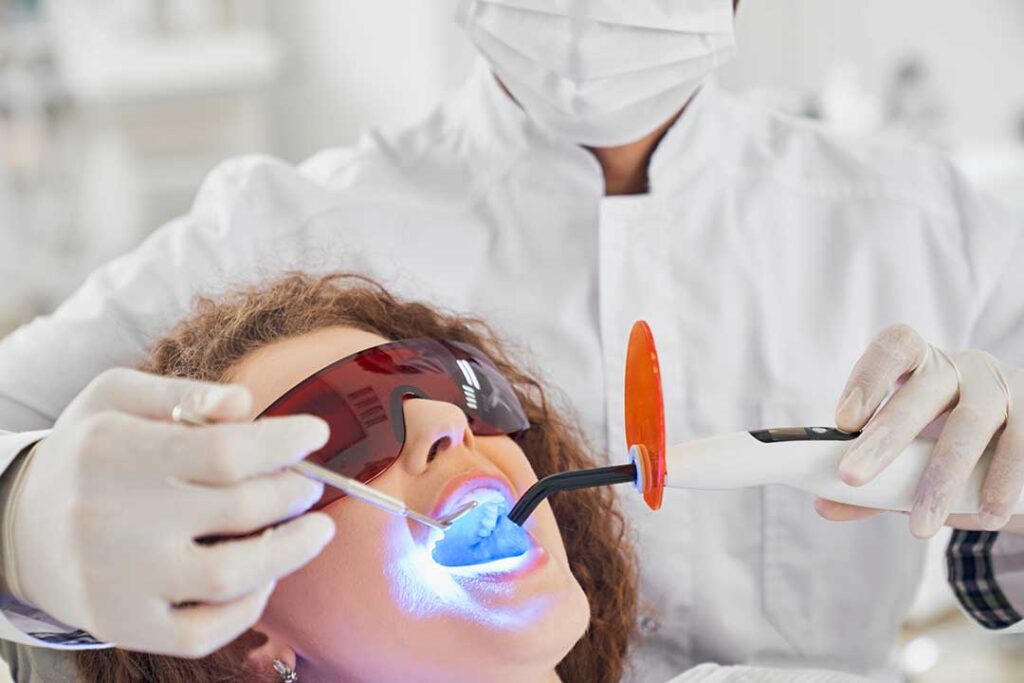
What Is Tooth Sensitivity and How Does It Feel?
Tooth sensitivity is a common dental issue where certain triggers—such as hot or cold foods, sweet or acidic drinks, or even a breath of cool air—cause discomfort or pain in the teeth. For many people in Sandy Springs, this means feeling a quick, sharp sensation that goes away after the stimulus is removed. Sensitivity can affect a single tooth, several teeth, or the whole mouth, and may come and go over time.
Why Do Teeth Become Sensitive?
The most direct cause is the exposure of the dentin, the layer beneath the enamel or gum line. Dentin contains tiny tubules that allow hot, cold, or acidic sensations to reach the nerve inside the tooth. Local factors in Sandy Springs, such as the use of home whitening kits or the presence of acidic foods in diets, may play a role in increasing the risk.
Common causes include:
- Worn enamel due to brushing too hard or using a hard-bristled toothbrush
- Gum recession, sometimes related to age or gum disease, which exposes root surfaces
- Tooth decay, cracks, or chipped teeth letting in outside stimuli
- Acidic diets, such as frequent consumption of citrus fruits, sports drinks, or carbonated beverages
- Recent dental procedures or whitening treatments
Is Tooth Sensitivity Permanent?
Tooth sensitivity isn’t always a permanent problem—its reversibility depends on the cause. Addressing daily habits, treating underlying cavities, or switching to a gentler oral care routine often brings lasting relief. However, if wearing enamel or gum recession is significant, sensitivity may persist unless the underlying issue is managed. In the humid climate of Sandy Springs, seasonal allergies or sinus pressure can sometimes increase perceived tooth discomfort, but this is usually temporary.
What Everyday Habits in Sandy Springs Affect Tooth Sensitivity?
Some common habits and local factors may contribute to increased sensitivity for residents:
- Drinking iced beverages during hot months, which can trigger symptoms more often
- Using at-home whitening products, which are frequently found in local stores and may contain strong ingredients
- Consuming sweet tea or sodas, popular in the region, which can erode enamel over time
- Brushing right after acidic meals (such as those with tomatoes or citrus), which may worsen enamel wear
Adjusting these behaviors, such as waiting 30 minutes after acidic foods before brushing, can help reduce sensitivity over time.
What Are the Most Effective Remedies?
Mild to moderate sensitivity can often be managed at home with specific changes:
*Switch to a soft-bristled toothbrush.*
This helps prevent further enamel abrasion.
*Use toothpaste specifically designed for sensitive teeth.*
These products contain ingredients that help block sensations from reaching the nerve.
*Limit acidic, sugary, or very hot/cold foods and drinks.*
Reducing exposure protects from further wear.
*Practice gentle, thorough brushing and daily flossing.*
This prevents gum disease and minimizes recession.
In homes around Sandy Springs, having filtered tap water with fluoride can help strengthen enamel. If sensitivity persists or worsens, there may be underlying issues—such as deep decay or a cracked tooth—that need professional evaluation.

When Should Tooth Sensitivity Be Taken Seriously?
Sensitivity becomes more concerning if it:
- Lasts longer than a few weeks despite changing oral care habits
- Is accompanied by swelling, persistent pain, or signs of infection (such as bad breath or pus)
- Involves a single tooth with sharp, unrelenting pain, which might indicate a crack or abscess
Community members living in multi-unit buildings or older homes should be especially alert if plumbing or building updates have affected water quality, since proper fluoride levels play a role in protecting enamel.
Are There Local Myths or Misunderstandings About Sensitivity?
Locally, some residents believe that tooth sensitivity is simply a sign of “getting older,” but that’s only part of the story. In reality, sensitivity can occur at any age and is often influenced by preventable factors such as oral hygiene and diet. Another misconception is that “natural” remedies, such as oil pulling or charcoal toothpaste, can resolve sensitivity permanently. Scientific evidence is limited for these options, and some may even worsen symptoms by wearing down enamel.
How Can Households in Sandy Springs Prevent Sensitivity?
Preventing sensitivity focuses on protecting enamel and preserving healthy gums:
- Use a soft-bristled toothbrush and low-abrasion toothpaste
- Limit intake of acidic or carbonated beverages
- Drink plenty of plain water, especially from sources with optimal fluoride levels
- Wear a mouthguard if grinding teeth at night, which is common in high-stress environments
Children and older adults in the community may be more vulnerable to acidic erosion and gum problems, so regular monitoring of symptoms and gentle oral care routines are helpful.
What Role Does the Local Environment Play?
Tap water in Sandy Springs is usually fluoridated, helping to shield enamel from daily wear. However, for households relying on well water or unfiltered sources, fluoride levels may vary, potentially increasing risk. Humid summers and seasonal pollen can add oral discomfort for some, as sinus pressure can make existing dental sensitivity more noticeable. Being aware of these subtle local factors can help in managing and preventing symptoms.