

 See My Latest Article on HelloNation

Pregnancy can affect the gums, teeth, and mouth in several ways. Hormonal changes may make gums more sensitive to plaque, while nausea, vomiting, dry mouth, food cravings, and more frequent snacking can increase the risk of irritation, enamel erosion, or cavities. These changes are common, but they are not a reason to postpone necessary dental care. Routine and emergency dental treatment are considered safe during pregnancy. ([ada.org](https://www.ada.org/resources/ada-library/oral-health-topics/pregnancy?utm_source=openai))
Why do gums bleed more easily during pregnancy?
Hormonal changes can make gum tissue react more strongly to the bacteria in dental plaque. As a result, gums may become red, swollen, tender, or more likely to bleed during brushing or flossing. This condition is commonly called pregnancy gingivitis. ([ada.org](https://www.ada.org/resources/ada-library/oral-health-topics/pregnancy?utm_source=openai))
Bleeding does not mean brushing or flossing should stop. Avoiding those habits allows more plaque to remain along the gumline, which can worsen inflammation. A soft-bristled toothbrush, gentle technique, fluoride toothpaste, and daily cleaning between the teeth can help control plaque.
Pregnancy gingivitis often improves after hormone levels return to normal, but persistent bleeding should not automatically be dismissed as a temporary pregnancy symptom. Swelling, gum tenderness, bad breath, pus, loose teeth, or pain may indicate a more advanced gum problem that needs evaluation.
Can pregnancy cause cavities?
Pregnancy itself does not remove minerals from teeth or guarantee tooth decay, but several pregnancy-related changes can raise cavity risk. More frequent eating, sugary cravings, dry mouth, difficulty brushing because of nausea, and repeated exposure to stomach acid can all contribute. ([ada.org](https://www.ada.org/resources/ada-library/oral-health-topics/pregnancy?utm_source=openai))
A practical approach includes:
- Brush twice daily for about two minutes with fluoride toothpaste.
- Clean between the teeth once a day with floss or another appropriate interdental cleaner.
- Choose water between meals when possible.
- Limit the frequency of sugary snacks and drinks rather than relying only on the total amount consumed.
- Rinse the mouth with water after acidic foods, drinks, or vomiting.
For residents managing pregnancy during hot, humid weather, drinking water regularly can also be useful when dry mouth is a problem. Water does not replace brushing, but it can help clear food debris and reduce the uncomfortable feeling of oral dryness.
What should someone do after vomiting?
Brushing immediately after vomiting may spread softened enamel across the tooth surface because stomach acid temporarily lowers the mouth’s pH. Instead, rinse with water first and wait before brushing. The American Dental Association also describes rinsing with a diluted baking-soda solution as an option for neutralizing acid: approximately one teaspoon of baking soda in one cup of water. ([ada.org](https://www.ada.org/resources/ada-library/oral-health-topics/pregnancy?utm_source=openai))
Frequent vomiting can contribute to enamel erosion, which is different from a cavity. Erosion gradually wears away the tooth’s outer surface and may lead to sensitivity, smoother or thinner-looking enamel, and increased vulnerability to decay. Severe or ongoing morning sickness should be discussed with the prenatal care team as well as mentioned during a dental visit.
Is dental treatment safe during pregnancy?
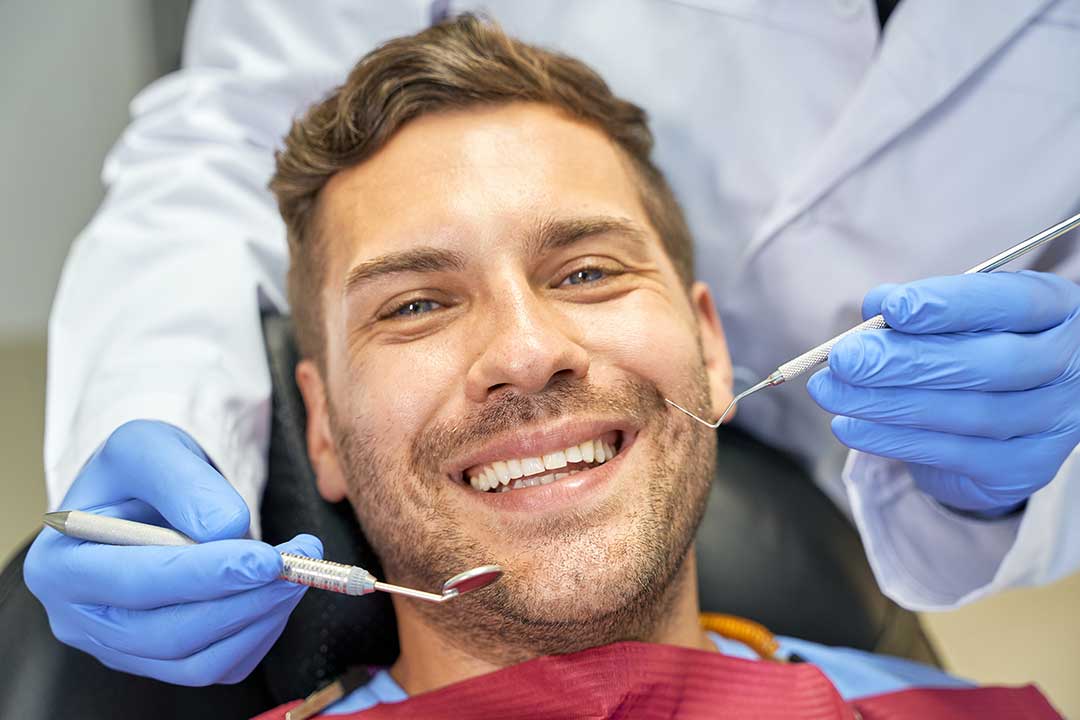
Yes. Preventive, diagnostic, restorative, and emergency dental care can be provided during pregnancy when clinically needed. This includes treatment for cavities, gum disease, dental infections, tooth pain, and other urgent problems. Delaying treatment can allow an infection or damaged tooth to become more difficult to manage. ([ada.org](https://www.ada.org/resources/ada-library/oral-health-topics/pregnancy?utm_source=openai))
Local anesthetics used in dentistry may be appropriate during pregnancy, but the dental team should know about the pregnancy, expected delivery date, relevant medical conditions, and any medications being taken. The prenatal care provider may be consulted when a pregnancy is considered high-risk or when medication decisions require coordination.
Nitrous oxide requires special discussion because exposure is generally avoided or carefully managed during pregnancy. It should not be assumed that every form of sedation is appropriate simply because routine dental treatment is safe. ([ada.org](https://www.ada.org/resources/ada-library/oral-health-topics/pregnancy?utm_source=openai))
Are dental X-rays allowed during pregnancy?
Dental X-rays may be taken when they are needed to diagnose a problem or guide treatment. The radiation dose from dental imaging is low, and professional guidance recognizes indicated dental radiographs as safe during pregnancy. Imaging should still be based on the individual’s symptoms, examination findings, and treatment needs rather than performed automatically. ([ada.org](https://www.ada.org/resources/ada-library/oral-health-topics/pregnancy?utm_source=openai))
A person who may be pregnant should tell the dental team before imaging. This allows the team to review whether the image is necessary and use current radiation-safety practices.
Does gum disease cause premature birth?
Research has identified associations between periodontal disease and some adverse pregnancy outcomes, but an association does not prove that gum disease directly causes premature birth or low birth weight. Current guidance supports treating gum disease to improve oral health, while recognizing that evidence is not sufficient to promise that periodontal treatment will prevent pregnancy complications. ([ada.org](https://www.ada.org/resources/ada-library/oral-health-topics/pregnancy?utm_source=openai))
The practical point is straightforward: gum disease deserves attention during pregnancy because it can cause pain, bleeding, infection, and damage to the tissues supporting the teeth. Treatment of periodontal disease during pregnancy is considered safe when clinically indicated. ([ada.org](https://www.ada.org/resources/ada-library/oral-health-topics/pregnancy?utm_source=openai))
What mouth changes should be checked?
Some pregnant people develop a small, red, easily bleeding growth on the gum tissue called a pregnancy tumor or pyogenic granuloma. Despite the name, it is not cancer. It is a benign inflammatory growth associated with hormonal changes and plaque irritation. Some shrink after pregnancy, while others may require treatment if they interfere with eating, brushing, or speaking. ([ada.org](https://www.ada.org/resources/ada-library/oral-health-topics/pregnancy?utm_source=openai))
Other symptoms that should not be ignored include:
- Persistent toothache or sensitivity
- Facial or jaw swelling
- Fever or a bad taste caused by drainage
- A loose adult tooth
- Bleeding that continues despite gentle oral hygiene
- Trouble swallowing or breathing
- A mouth sore that does not heal
Facial swelling, fever, or difficulty breathing or swallowing may indicate a dental infection requiring urgent medical attention.
How can oral health be protected throughout pregnancy?
Consistent daily care is more useful than trying to compensate after symptoms appear. A manageable routine includes fluoride toothpaste, gentle brushing, daily interdental cleaning, water consumption, and balanced meals with limited added sugar. Regular dental care before, during, and after pregnancy helps identify cavities, gum inflammation, erosion, and infections early. ([ada.org](https://www.ada.org/resources/ada-library/oral-health-topics/pregnancy?utm_source=openai))
Pregnancy is also a useful time to review household habits that affect future infant oral health. Avoiding the sharing of spoons or cleaning a pacifier with an adult’s mouth can reduce the transfer of cavity-causing bacteria to a child. This does not mean a parent must have a perfect mouth; it means that treating active decay and maintaining good oral hygiene can support the oral health of the entire household. ([acog.org](https://www.acog.org/clinical/clinical-guidance/committee-opinion/articles/2013/08/oral-health-care-during-pregnancy-and-through-the-lifespan?utm_source=openai))