

 See My Latest Article on HelloNation
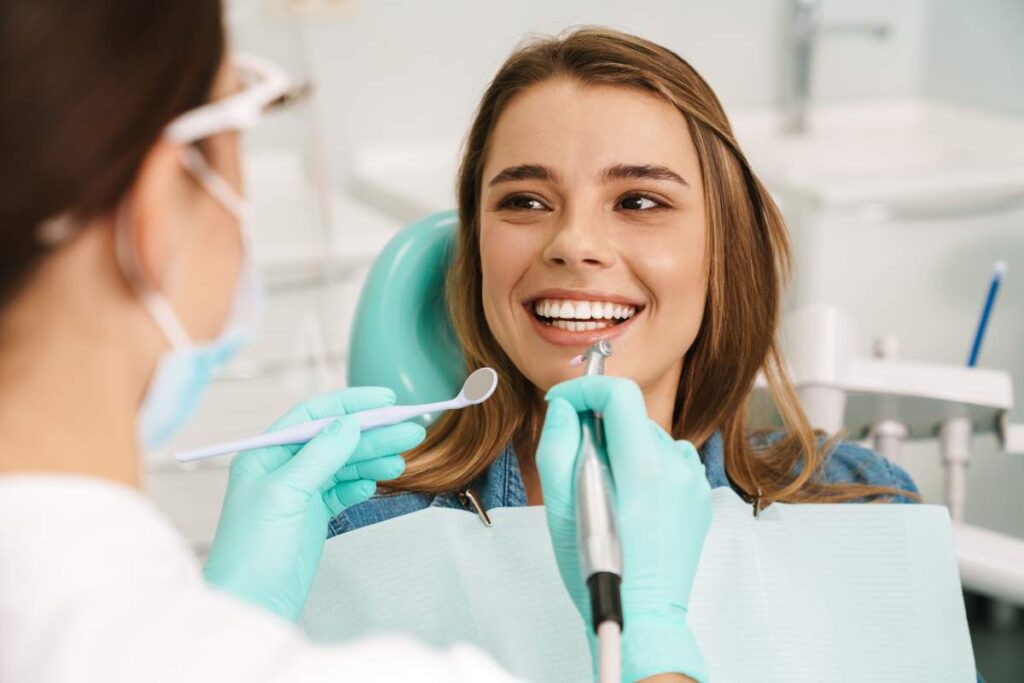
Dental sealants are thin protective coatings placed in the natural pits and grooves of back teeth. They help keep food particles and bacterial plaque from collecting in areas that can be difficult to clean with a toothbrush.
For many children and teenagers, sealants are a useful part of cavity prevention. They may also be appropriate for some adults whose molars have deep grooves, a history of decay, or other factors that increase cavity risk.
What exactly are dental sealants?
Dental sealants are materials applied to the chewing surfaces of molars and premolars. These back teeth often have narrow grooves called pits and fissures. Food and plaque can become trapped in those spaces, even when someone brushes regularly.
A sealant flows into the grooves and hardens, creating a smoother surface. This physical barrier makes it more difficult for plaque and food debris to remain lodged against the enamel.
Sealants are usually tooth-colored, clear, or slightly tinted. They are not fillings, because they are intended to protect healthy enamel or manage very early, noncavitated areas of decay rather than repair a hole in the tooth.
Who usually benefits from sealants?
Children and teenagers are the most common candidates, especially when their permanent molars first come into the mouth. The first permanent molars generally appear around age 6, while the second permanent molars often emerge around age 12. Applying sealants after these teeth erupt can protect them during years when cavity risk may be high.
Sealants may be especially helpful for a child or teenager who has:
- Deep or narrow grooves in the molars
- A previous history of cavities
- Difficulty brushing thoroughly
- Frequent exposure to sugary drinks or snacks
- Orthodontic appliances that make cleaning harder
- Limited access to fluoride protection
- A family or personal pattern of tooth decay
Primary, or baby, molars may also benefit. A dentist may consider sealants when a young child has deep grooves or an elevated risk of decay, particularly if the teeth are expected to remain in place for several more years.
Adults are not automatically excluded. A grown adult may benefit from sealants on molars that have deep fissures, early changes in the enamel, or a history of repeated decay. However, sealants are not routinely necessary for every adult. The decision depends on the tooth’s shape, condition, cleaning habits, diet, and overall cavity risk.
How are sealants placed?
Sealant placement is generally a brief, noninvasive process. The tooth must first be clean and dry so the material can bond properly.
The usual steps include:
- Cleaning the chewing surface to remove plaque and debris
- Preparing the enamel so the sealant can adhere
- Rinsing and drying the tooth
- Painting the liquid sealant into the grooves
- Hardening the material with a curing light or another setting process
- Checking the bite to ensure the surface feels comfortable
No drilling is normally needed when a sealant is being placed on a sound tooth or an early, noncavitated lesion. If a tooth already has a larger cavity, a broken area, or decay that has progressed into a deeper part of the tooth, a sealant alone may not be appropriate.
Keeping the tooth dry during placement matters, particularly for resin-based materials. Saliva or moisture can interfere with bonding and increase the chance that the sealant will not remain in place.
Do sealants prevent all cavities?
No. Sealants protect the surfaces where they are applied, especially the chewing surfaces of molars. They do not cover every part of the tooth and cannot prevent decay between teeth, along the gumline, or on exposed roots.
A person with sealants still needs to:
- Brush twice a day with fluoride toothpaste
- Clean between the teeth
- Limit frequent sugary drinks and snacks
- Drink water regularly
- Attend routine dental examinations
- Use additional fluoride if recommended based on individual risk

Sealants and fluoride serve different purposes. Fluoride helps strengthen enamel throughout the mouth, while sealants provide a physical covering over vulnerable grooves. Using both may offer more complete protection than relying on either one alone.
How effective are dental sealants?
Sealants can substantially reduce the risk of cavities on the chewing surfaces of molars. Research used in professional guidelines has found particularly strong preventive benefits for children and adolescents when sealants are placed on appropriate primary or permanent molars.
Sealants may also slow or arrest the progression of some early, noncavitated lesions when the tooth is carefully evaluated and the sealant remains intact. This does not mean every discolored groove should simply be covered. The tooth must be examined to determine whether a sealant, monitoring, fluoride, or restorative treatment is the most suitable approach.
Effectiveness depends partly on retention. A sealant that remains bonded can continue protecting the groove. If part of it wears away or comes loose, the exposed area may need to be evaluated and possibly resealed.
How long do sealants last?
Many sealants remain protective for several years, but they are not necessarily permanent. Chewing forces, grinding, tooth anatomy, moisture during placement, and normal wear can affect how long they last.
Sealants should be checked during regular examinations. A dentist may recommend repair or replacement if a sealant is partially missing, worn thin, or no longer covering the deepest portion of the groove.
A missing sealant does not always mean that a cavity has formed. It does mean the tooth may once again need attention, especially if it has a deep groove or the person has a higher risk of decay.
Are dental sealants safe?
Dental sealants have a long history of use in preventive dentistry. Materials may include resin-based sealants or glass ionomer materials. The choice can depend on the tooth, moisture control, age, eruption stage, and risk of decay.
Some resin-based materials can produce a small, temporary increase in exposure to trace ingredients shortly after placement. Current dental guidance considers the health concern from dental sealant materials to be very low. Families with specific concerns can ask what material is being considered and why it may be suitable for the tooth.
Sealants also do not replace examination of the tooth. A covered tooth still needs to be inspected for leakage around the edges, wear, new decay, or changes in the surrounding enamel.
What should families in Sandy Springs consider?
For households managing school schedules, sports, activities, and changing routines, sealants can be especially practical because they provide protection without requiring a child to remember an additional daily step. They are most useful when combined with consistent brushing, water rather than frequent sweetened beverages, and regular preventive care.
Seasonal changes in routine can also affect oral habits. Summer travel, holiday snacks, sports drinks, and frequent grazing may increase exposure to sugars. Sealants cannot offset those risks completely, but they may protect the deep grooves most likely to collect food.
The key question is not simply whether someone is young or old. It is whether particular teeth have anatomy or risk factors that make decay more likely. An individualized examination can determine whether sealing a tooth is sensible, whether an existing sealant needs repair, or whether other preventive measures would be more appropriate.