

 See My Latest Article on HelloNation

What Should You Do Right After Chipping or Breaking a Tooth?
Start by staying calm. Rinse your mouth gently with lukewarm water to clean the area and assess how much injury has happened. If there’s bleeding, place clean gauze over the spot and apply gentle pressure until bleeding stops, usually within a few minutes. Applying a cold pack on the outside of your cheek can help reduce any swelling or discomfort.
If the broken piece of tooth has been recovered, keep it moist in milk or saline solution—not tap water—as this can prevent further damage to living cells. While it’s not always possible to save the fragment, bringing it along when seeking dental attention is generally advisable.
Are Chipped and Broken Teeth Dental Emergencies?
Minor chips are usually not urgent, but large breaks, visible nerve exposure, or pain may need quicker assessment. In some cases, if you can see a pinkish interior of the tooth, or the tooth is extremely sensitive to air and temperature, this may indicate nerve involvement. Severe damage can sometimes wait until regular business hours, especially if pain is manageable and there are no signs of infection such as fever or facial swelling. If pain is severe, bleeding won’t stop, or the tooth is knocked out completely, seek dental care as soon as possible.
How Do You Protect a Damaged Tooth Until It Can Be Examined?
Cover any jagged or sharp edge with a small piece of sugarless chewing gum or orthodontic wax if available. This reduces the risk of cutting your mouth or tongue. Soft foods and cool beverages are easier on the affected area. Avoid chewing on the injured side, tough foods, or exposing the area to extreme temperatures. Over-the-counter pain relievers can help manage discomfort, but avoid placing aspirin directly on the gum or tooth—it can irritate tissue.
What Household Remedies Are Safe to Use?
Saltwater rinses are a simple option for preventing infection and soothing the area. Mix half a teaspoon of salt in a cup of warm water and rinse your mouth gently. Locally, homes in Sandy Springs often have standard first aid kits, which might include temporary dental filling material; this can be used according to package directions for added short-term protection. Avoid supergluing or using other hardware adhesives—these can be toxic and worsen the damage.
What Local Factors Might Affect Your Response?
Weather in Sandy Springs can influence how quickly you can travel for care, especially during summer storms or winter ice events. If roads are difficult, some residents may need to manage symptoms a bit longer. Additionally, many homes in the area feature stairs and harder flooring, both common settings for accidental slips and chipped teeth. Outdoor activities—like cycling on local greenways or playing sports in neighborhood parks—also carry a risk for dental injuries, so it’s helpful for area households to keep basic dental first aid supplies handy.
Do Broken or Chipped Teeth Always Require Immediate Repair?
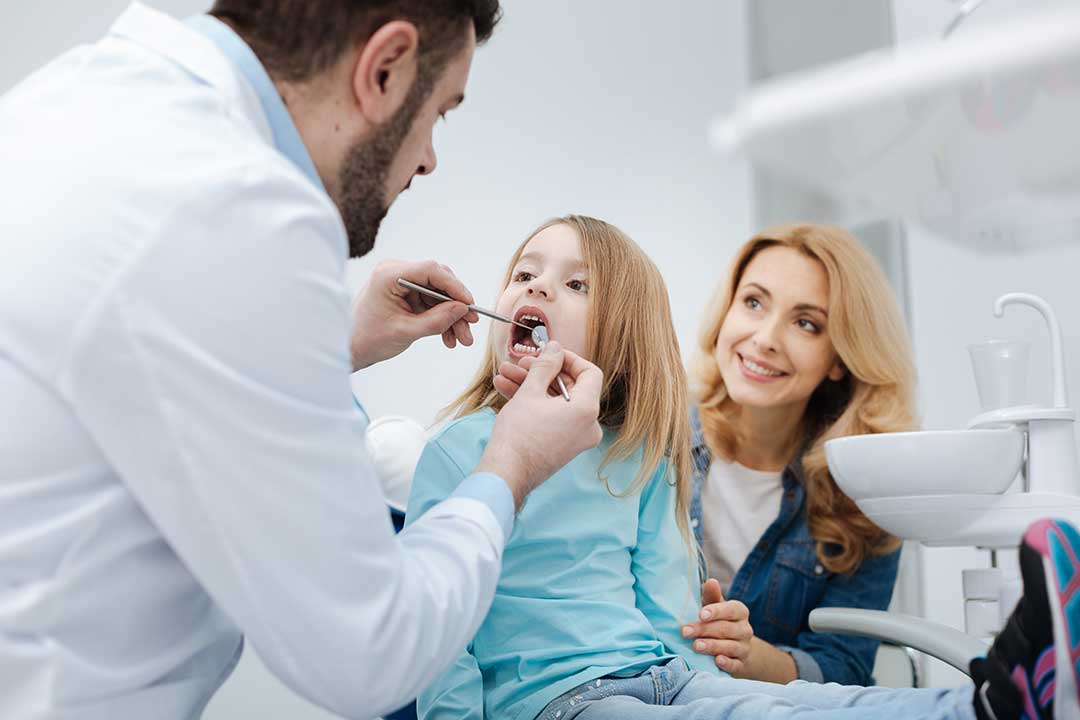
Not all injuries need rapid treatment. Tiny chips on the edges of front teeth can often be smoothed and monitored at a future visit if there is no pain. However, breaks with sharp edges, pain, or exposed tissue almost always need professional assessment. For residents in Sandy Springs, especially children or older adults in multi-story homes, prompt review is recommended for injuries involving a fall or significant force due to possible additional trauma (such as concussion or jaw injury).
What Complications Can Happen if a Broken Tooth Is Ignored?
Even minor chips can become larger over time, especially if daily habits like grinding or chewing hard items continue. Larger fractures can expose the inner pulp of the tooth to bacteria, leading to infection or abscess. Untreated pain may also signal ongoing damage beneath the surface. Misconceptions in the area sometimes involve waiting until pain worsens—however, early attention reduces risks and simplifies repair.
Can You Eat or Drink Normally With a Damaged Tooth?
Stick to soft, non-sticky foods at room temperature. Soup, yogurt, scrambled eggs, and smoothies are good choices. Avoid biting directly with the affected tooth. Drinking through a straw can help minimize discomfort for sensitive areas. Acidic drinks or very hot foods could irritate exposed tooth layers and are best minimized until the tooth is protected or restored.
When Is It Safe to Return to Normal Activities?
Once pain and sharp edges are addressed by a dentist or have healed safely, normal eating and routine activity can resume. If the injury occurred during school sports, it’s wise for young residents to wear a mouthguard for future activities to reduce the risk of repeat injuries—especially popular during baseball, biking, and other recreational pursuits common in the community.